Shining a Light on LIDAR: Practical Applications for the Aviation Industry
LIDAR allows airports to track people and vehicles with precision—without compromising privacy.



Ranked a Top Workplace and ENR Top 500 Design Firm, Burns offers opportunities to inspire, create and deliver transformational projects that last generations.

Burns inspires, creates and delivers specialized-engineering solutions for mission-critical facilities.

Expertise

 Contact Us

"*" indicates required fields
LIDAR allows airports to track people and vehicles with precision—without compromising privacy.

As healthcare facilities age and codes evolve, outdated electrical infrastructure poses serious operational and life-safety risks. Comprehensive power studies deliver the insight hospitals need to modernize safely, maintain compliance, and protect patient care.
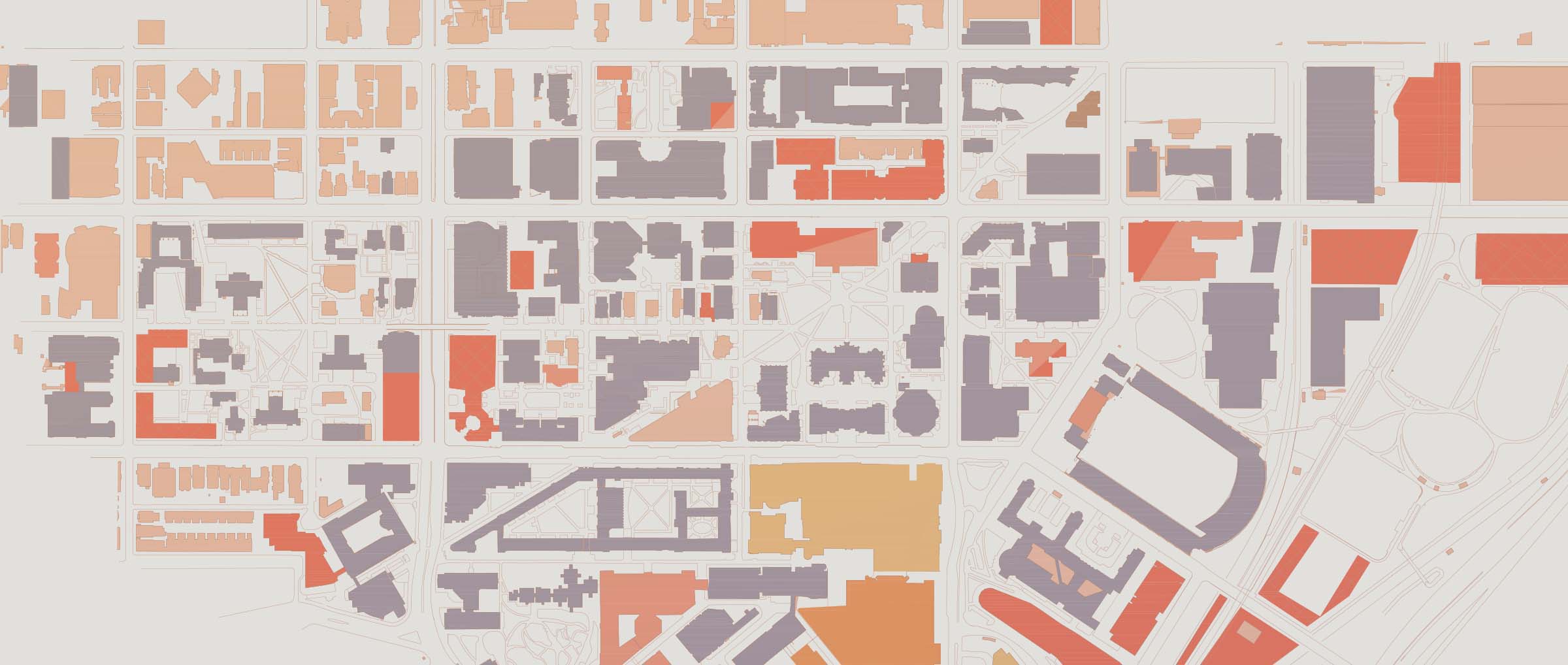
As data center demand strains power grids and drives up costs, comprehensive utility master planning is essential to protect reliability, align growth, and ensure long-term resilience.
As the global demand for data continues to surge, so does the demand for powering these critical facilities.
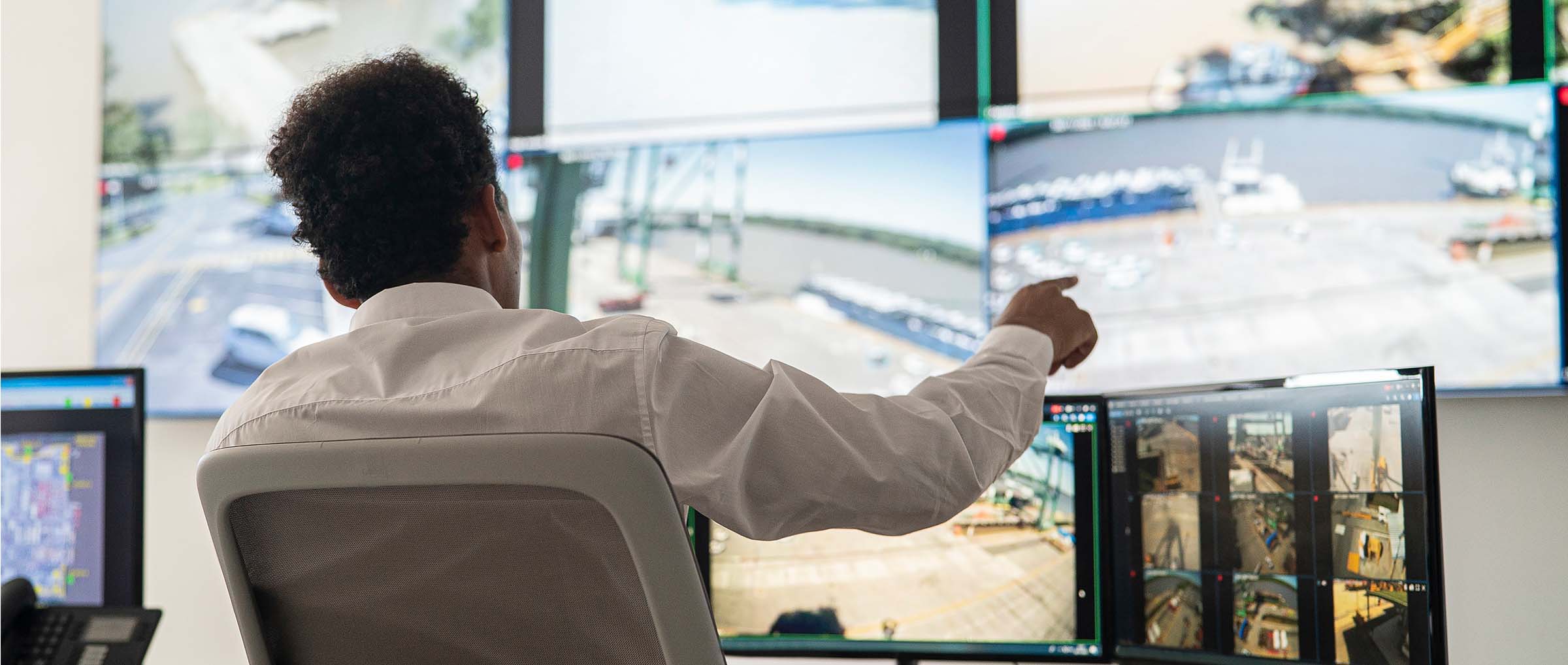
Facility security demands proactive design, smart planning, and a shared culture to stay ahead of evolving threats.
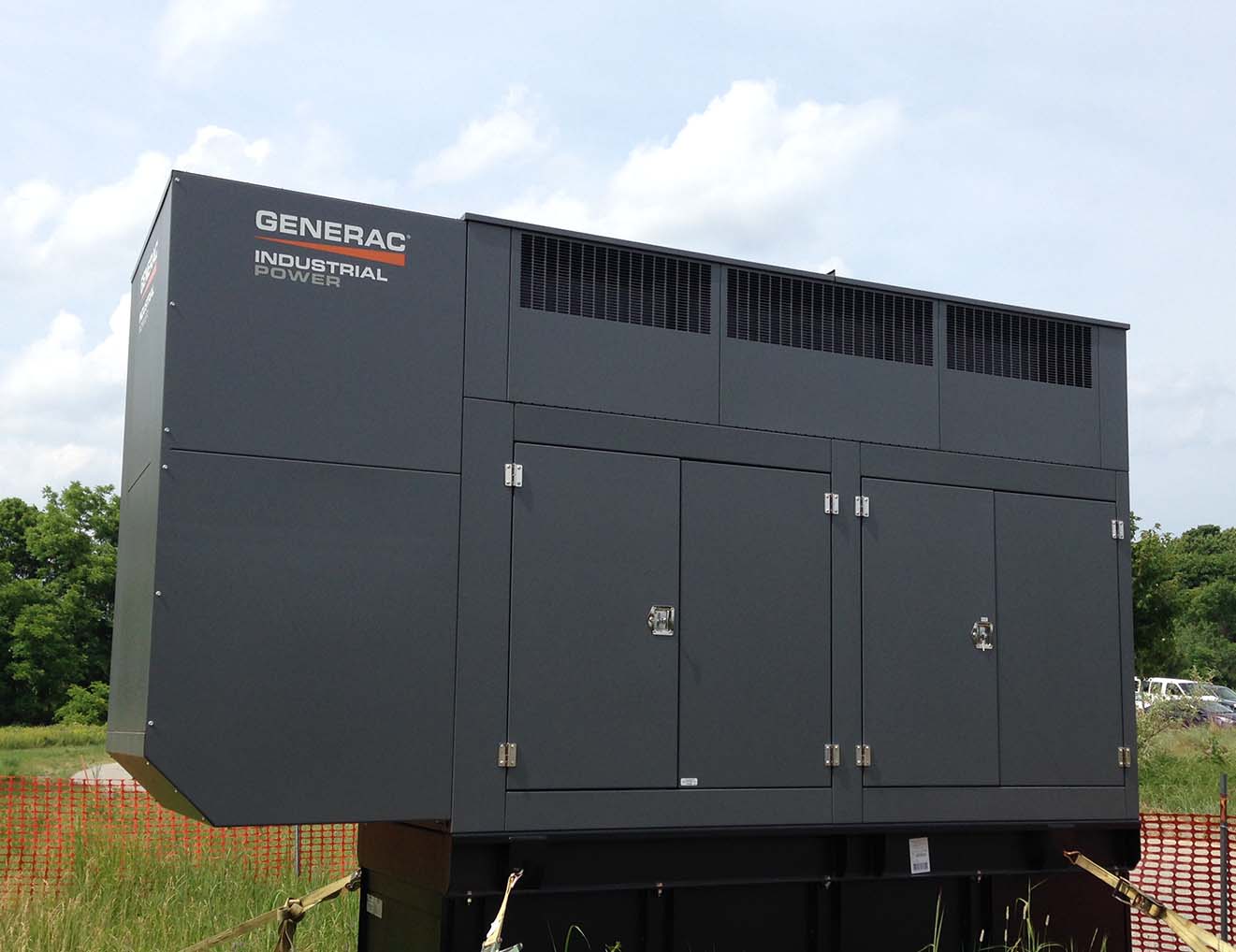
Diesel-fueled backup generators come with environmental and reliability concerns. A new generation of backup power solutions is emerging. Are these systems ready to take over?

California’s mission-critical transportation facilities are being reengineered to accommodate low-carbon, all-electric operations

Massachusetts Bay Transportation Authority completes Positive Train Control upgrades across 394 route miles
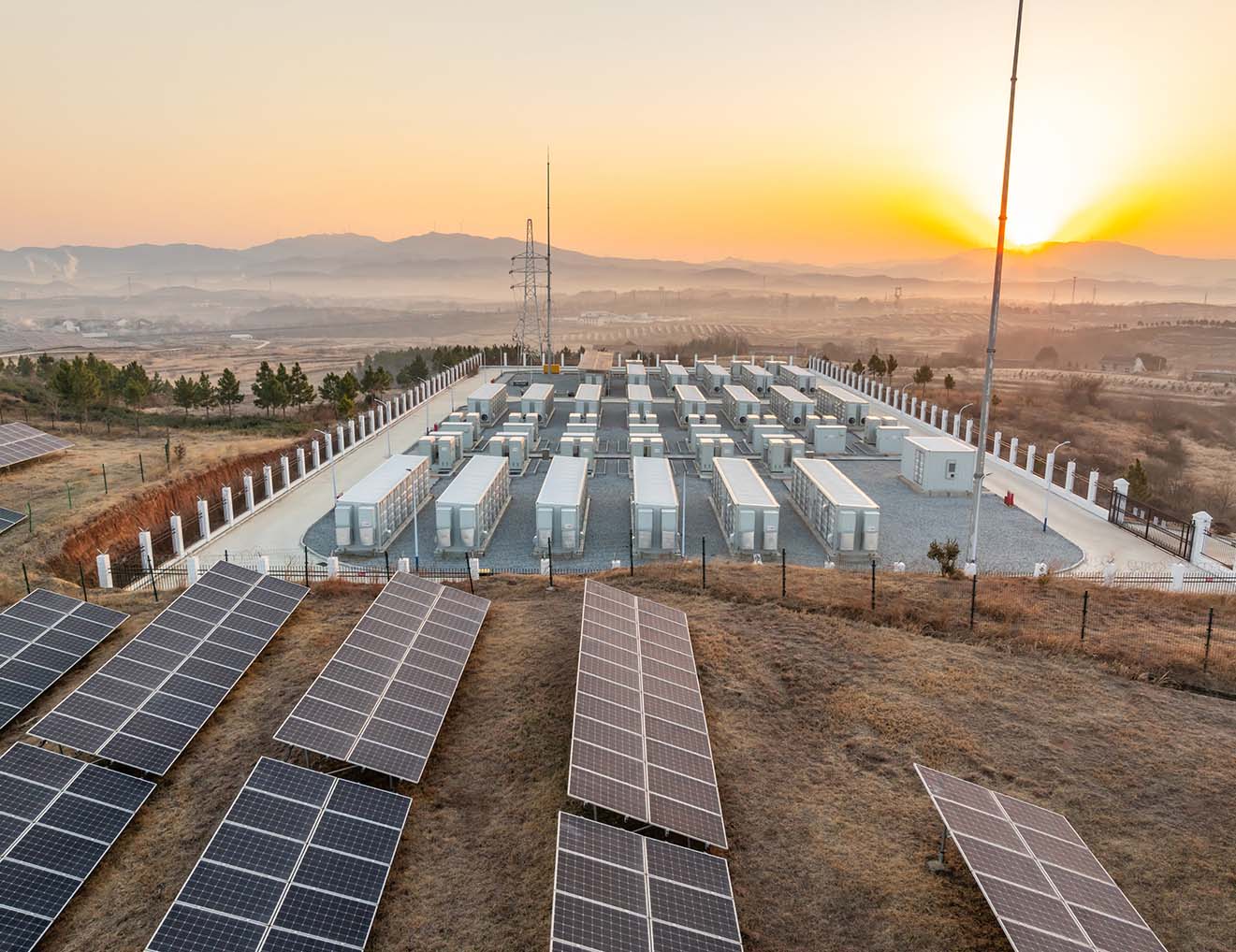
BESS installations can produce significant financial savings, improve energy reliability, and enhance campus sustainability
Technology advancements make BESS an increasingly attractive solution. Learn how BESS can be used to improve campus sustainability and reduce operating costs.
AREMA’s Communications and Signals Manual clarifies how cross-bonding design can avoid risk of train-to-train collisions
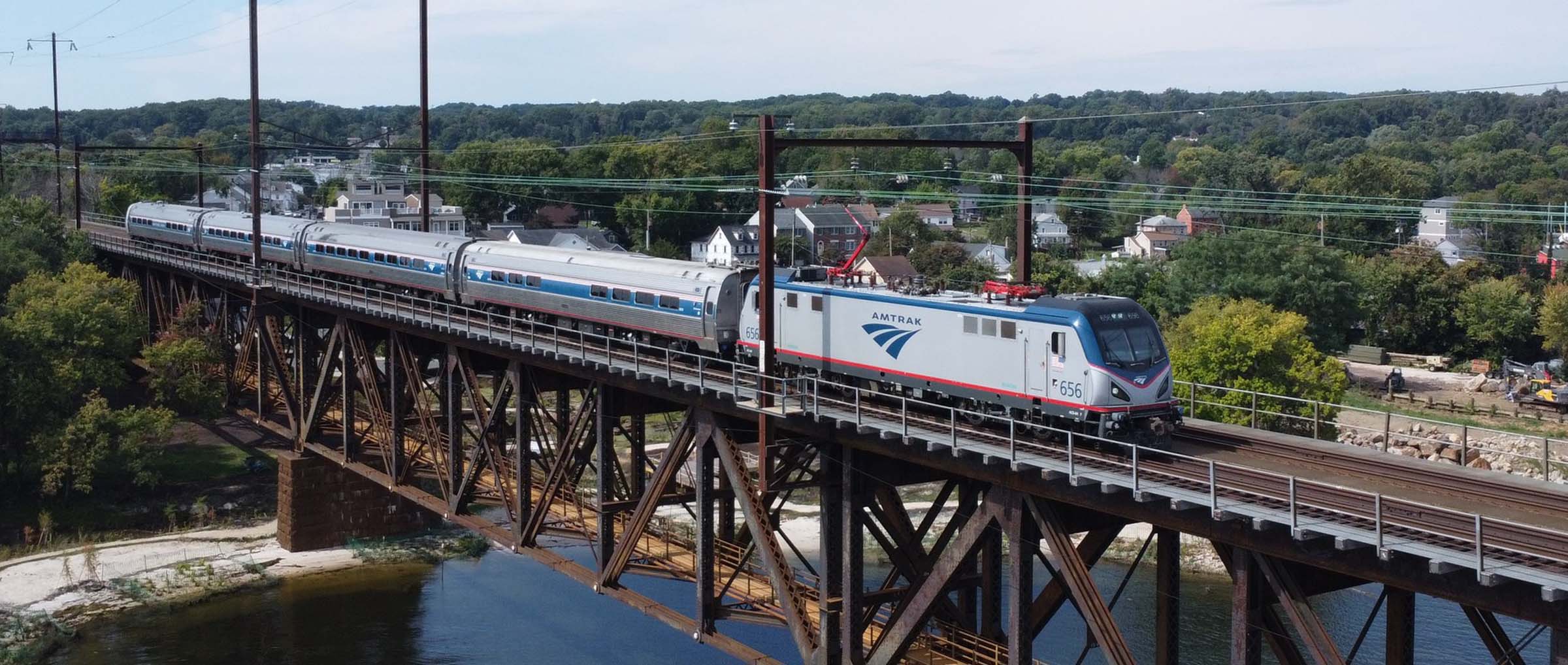
New safety controls prevent unauthorized manual overrides during system-disruption events

Smart labs can reduce energy consumption while maintaining occupant safety
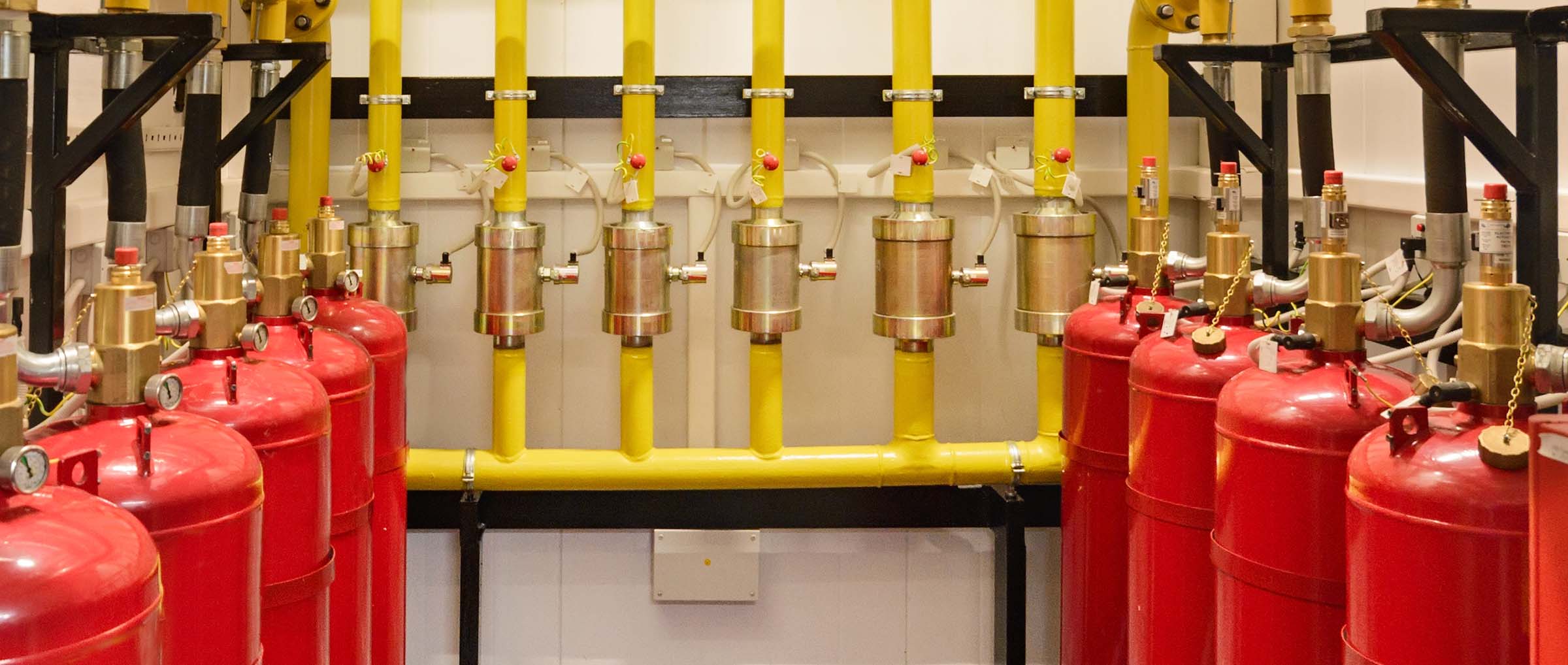
Shifting regulations, emerging technologies force many facilities to adjust their hazard fire protection systems

As airports spend more on technology systems, integration labs can save time while reducing installation and commissioning costs.
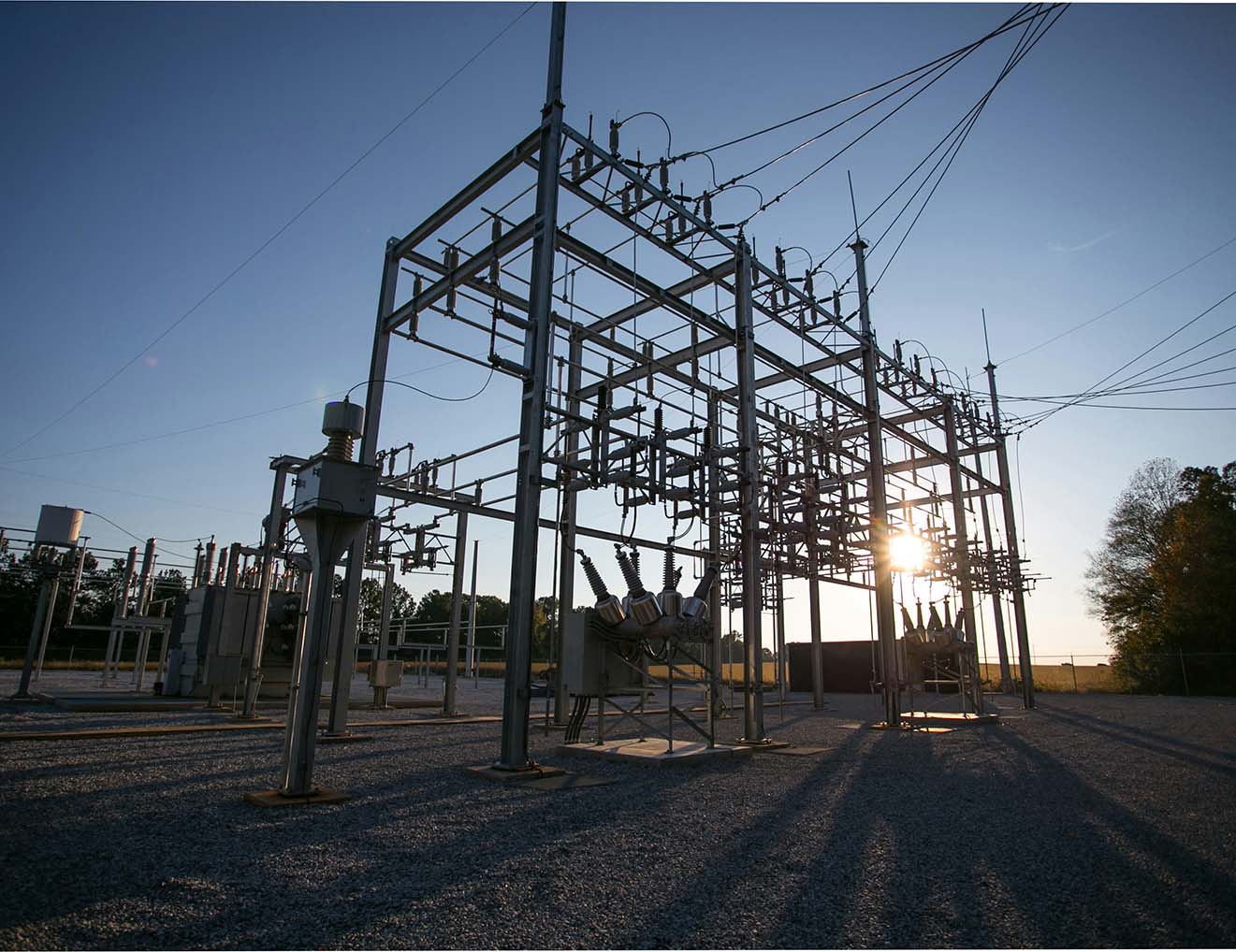
A new competition is emerging for reliable power supplies
Structural engineers are developing solutions to support the weight of electric vehicles and charging infrastructure
Resilience improvements are becoming essential as natural disasters grow in severity and occurrence
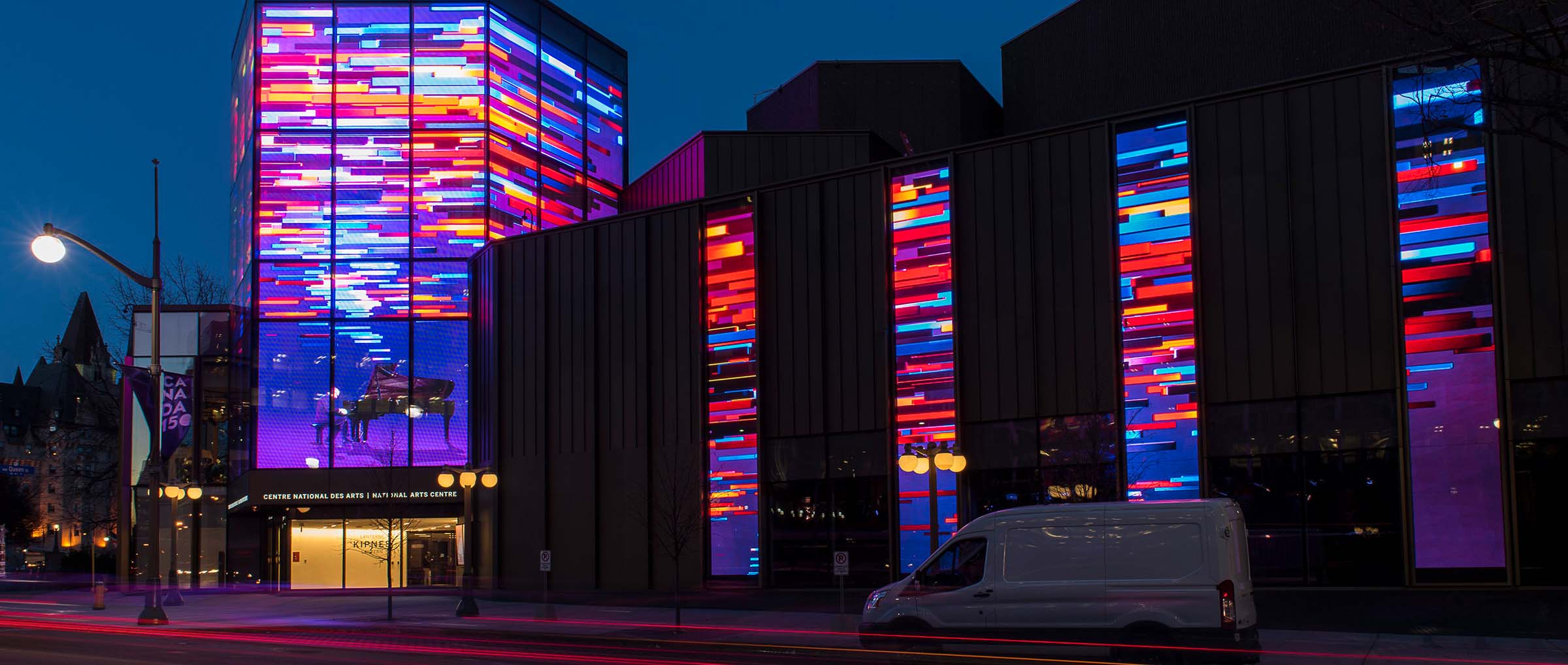
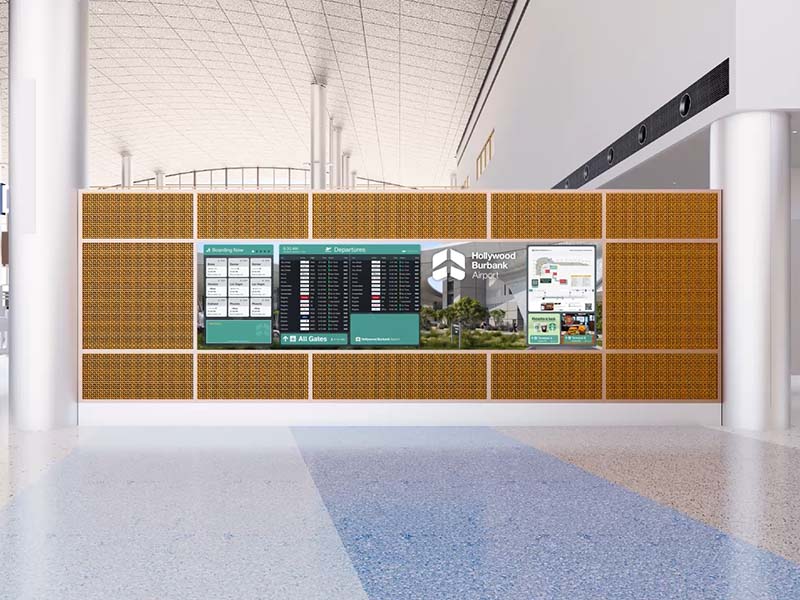
Transparent LED displays can be combined with advances in multimedia technology to transform once-monotonous spaces into places that are vibrant, animated, and engaging.
Federal Transit Administration’s Project Management Oversight Contractors assist transit systems uphold the safety and security of new capital projects.
Sustainable Aviation Fuel (SAF), electric aircraft, and hydrogen-fueled technologies each require unique infrastructure strategies.
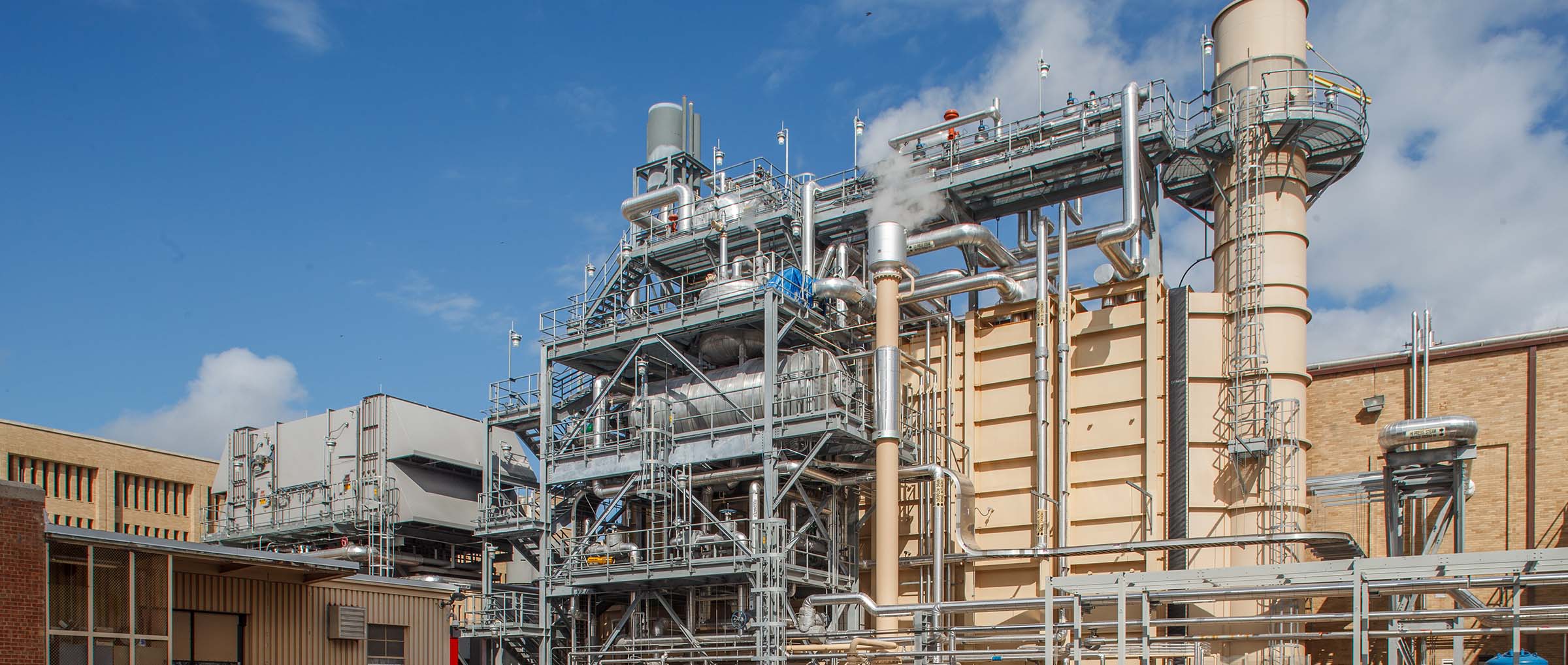
Properly configured and designed CHP solutions can provide microgrids with resilient, low-carbon power
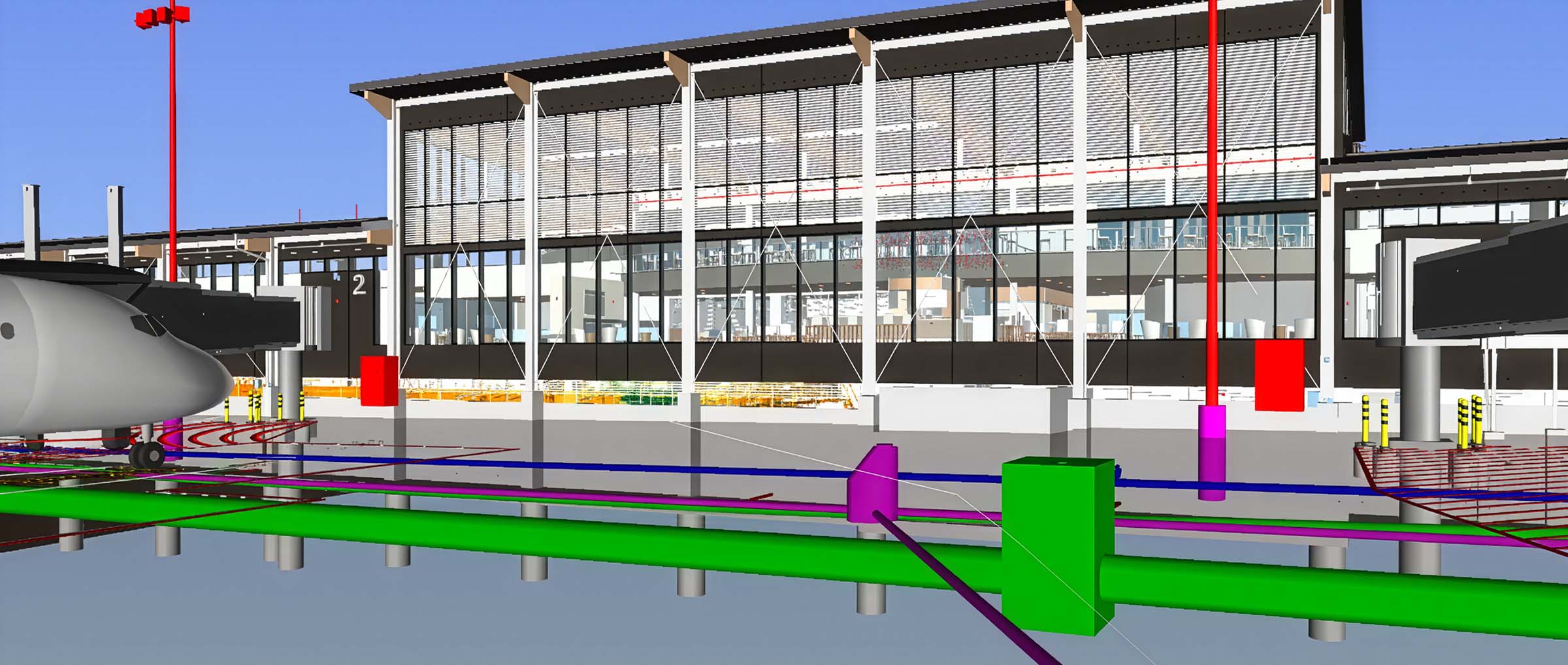
BIM tools can create a living model to inform operations and maintenance and to optimize future capital improvements
After years of testing electric bus technologies, massive capital programs are overhauling agency fleets and facilities
Adjustable lighting systems consider the different and changing needs of newborn infants, birthing women, family members, and professional staff.
The transportation sector’s growing dependence on uninterrupted broadband communications heightens the criticality of system resilience.
Hospitals must prepare for an increasingly uncertain future. Extreme weather events, utility outages, and supply chain disruptions are occurring with greater frequency and intensity.
Close collaboration with relevant authorities is crucial for delivering compliant, cost-effective in-building radio frequency signal coverage

Shifting off diesel-fired equipment is one of the greatest infrastructure challenges facing the country’s port terminals
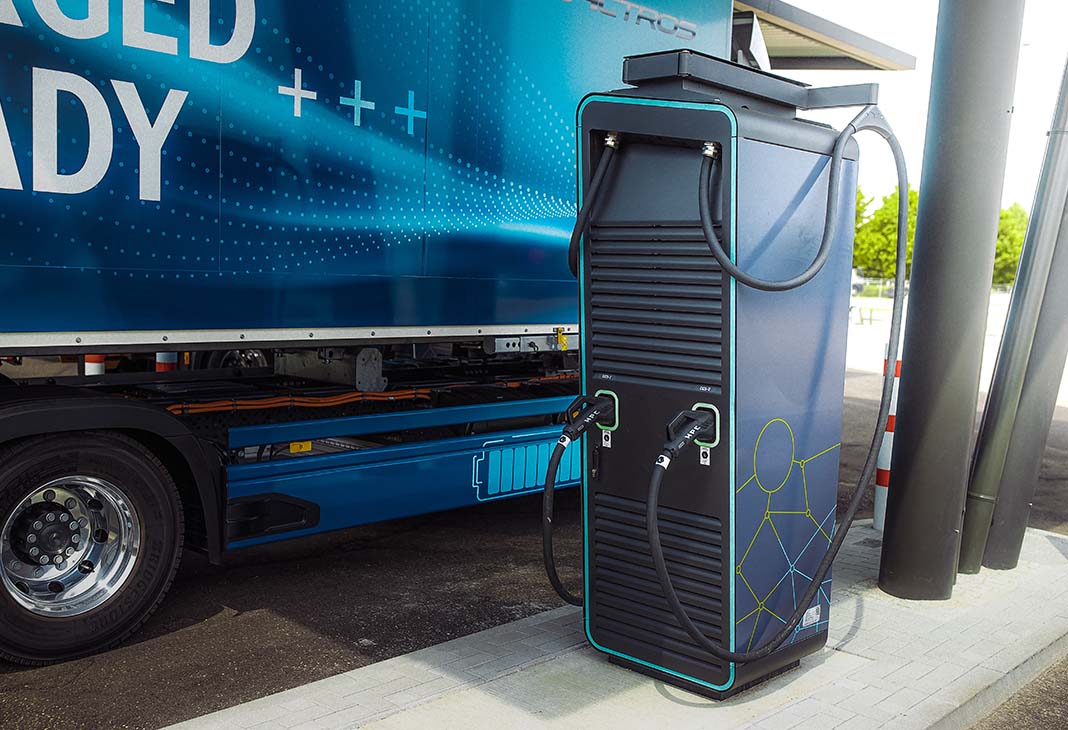
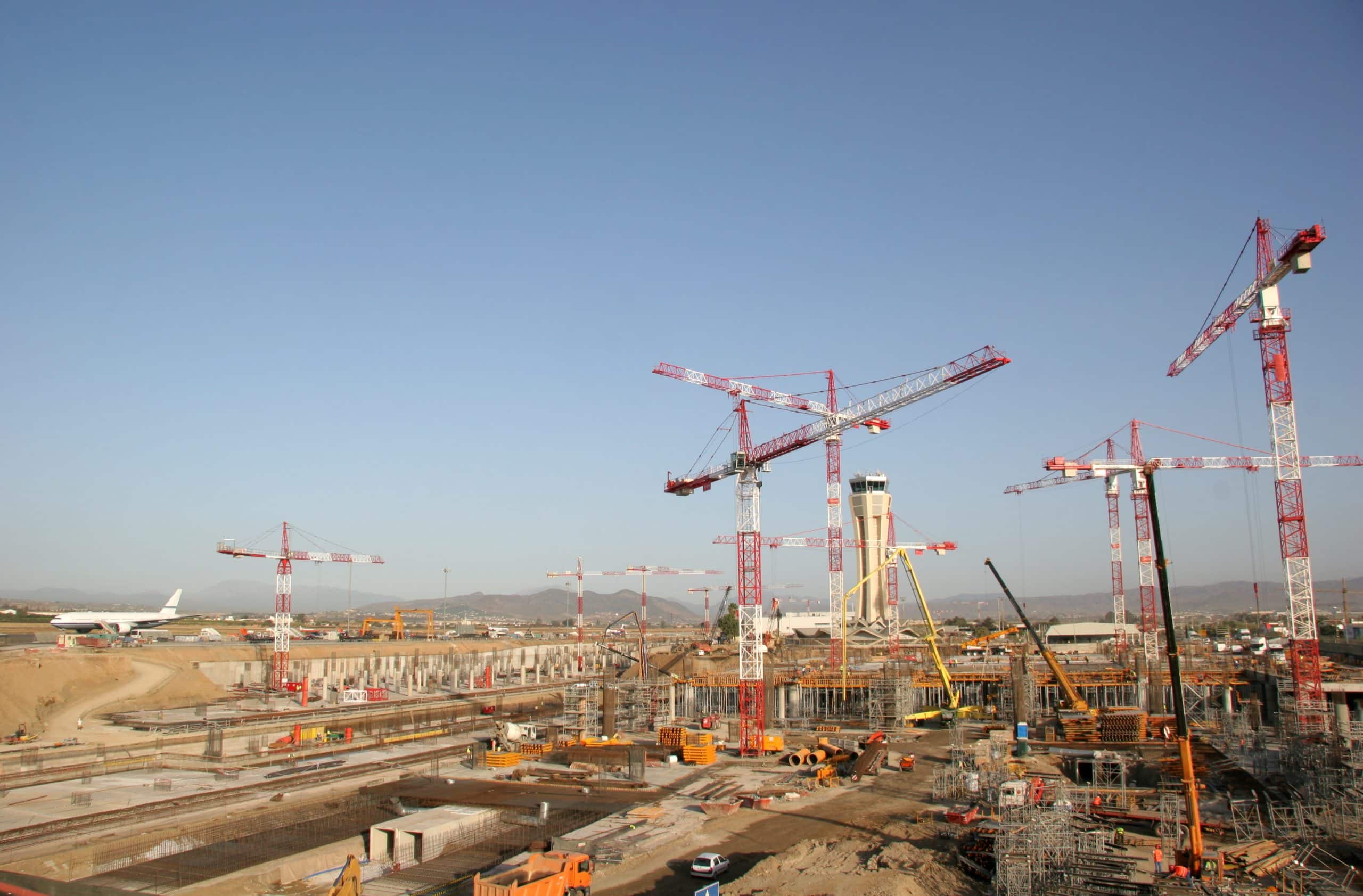
Leadership from an effective program management consultant is essential to overcome project hurdles
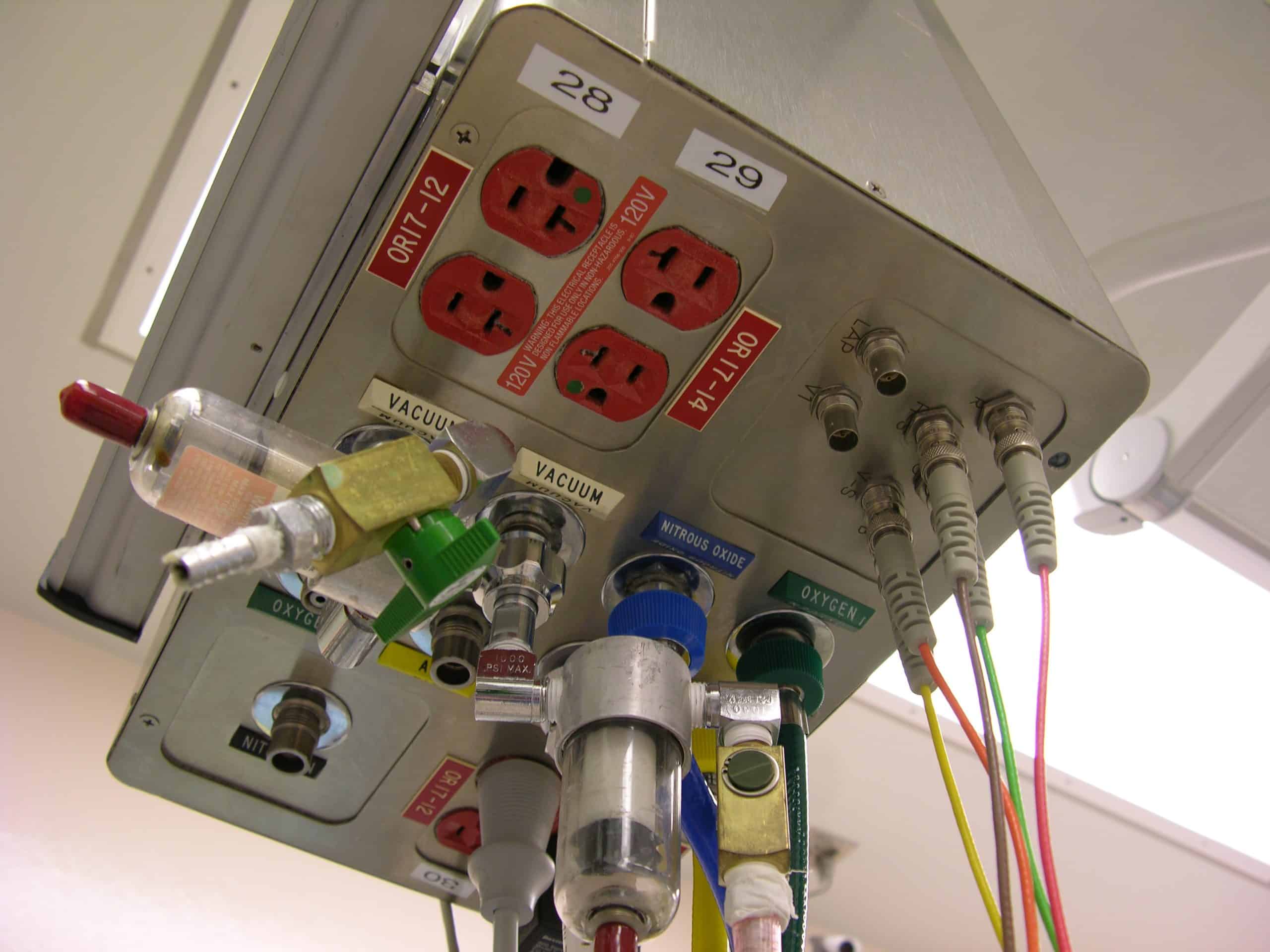
Collaboration between design professionals and hospital clinical teams is essential for maintaining operating room safety
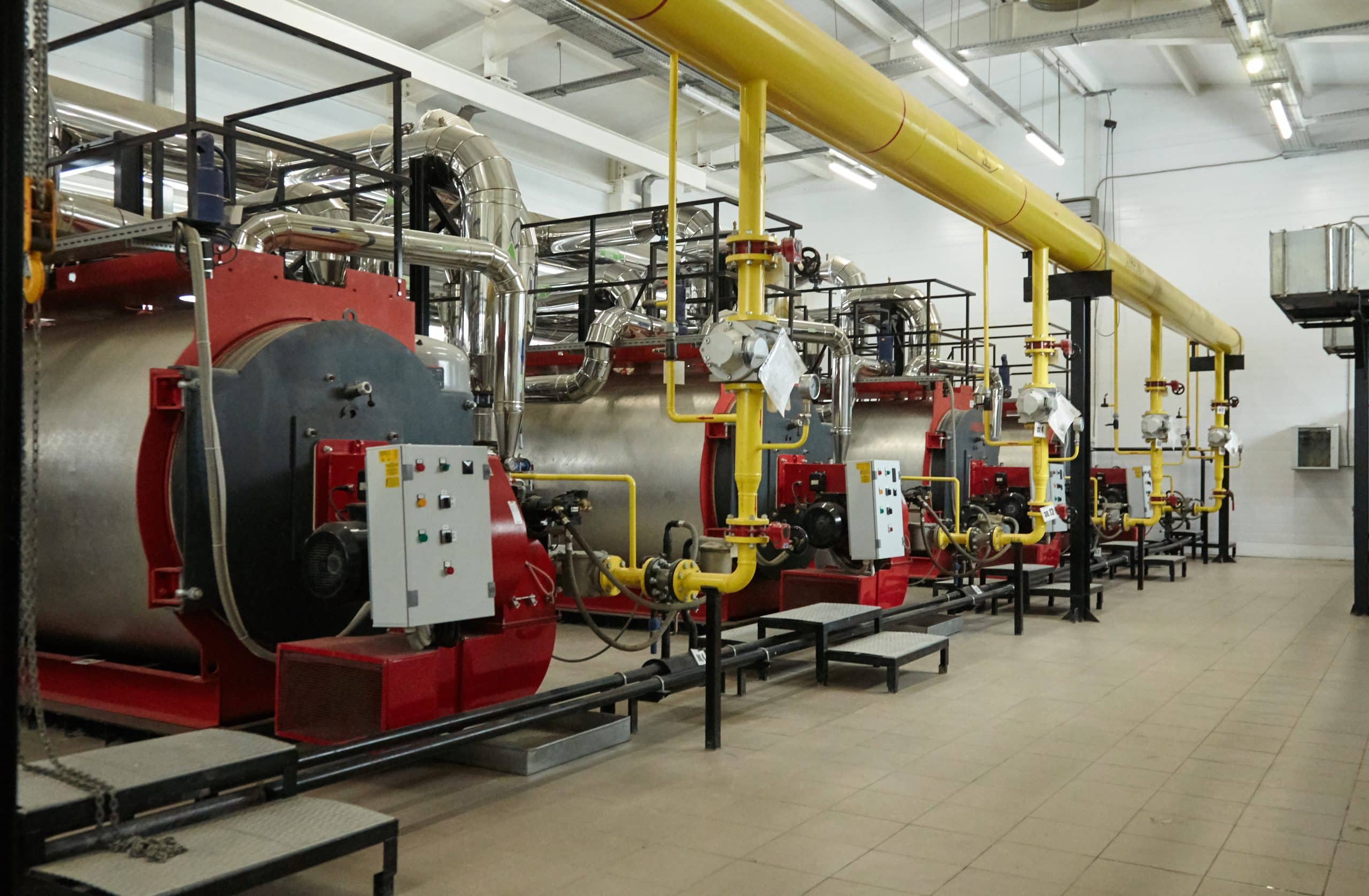
Robust planning can guide facility teams through the challenges of decarbonization
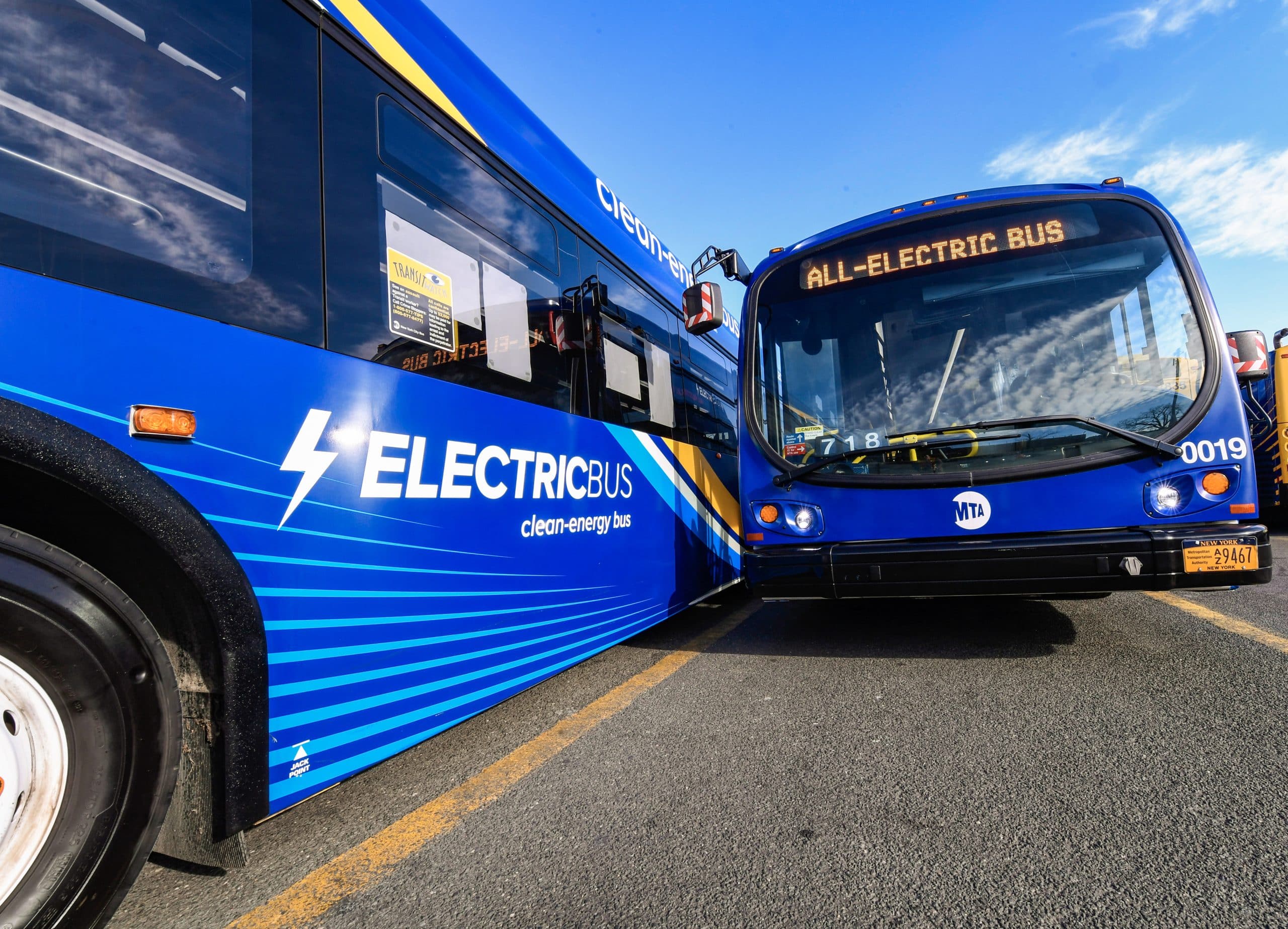
Zero-Emission Buses (ZEBs) will catalyze a once-in-a-generation redesign of transit agency bus facilities.
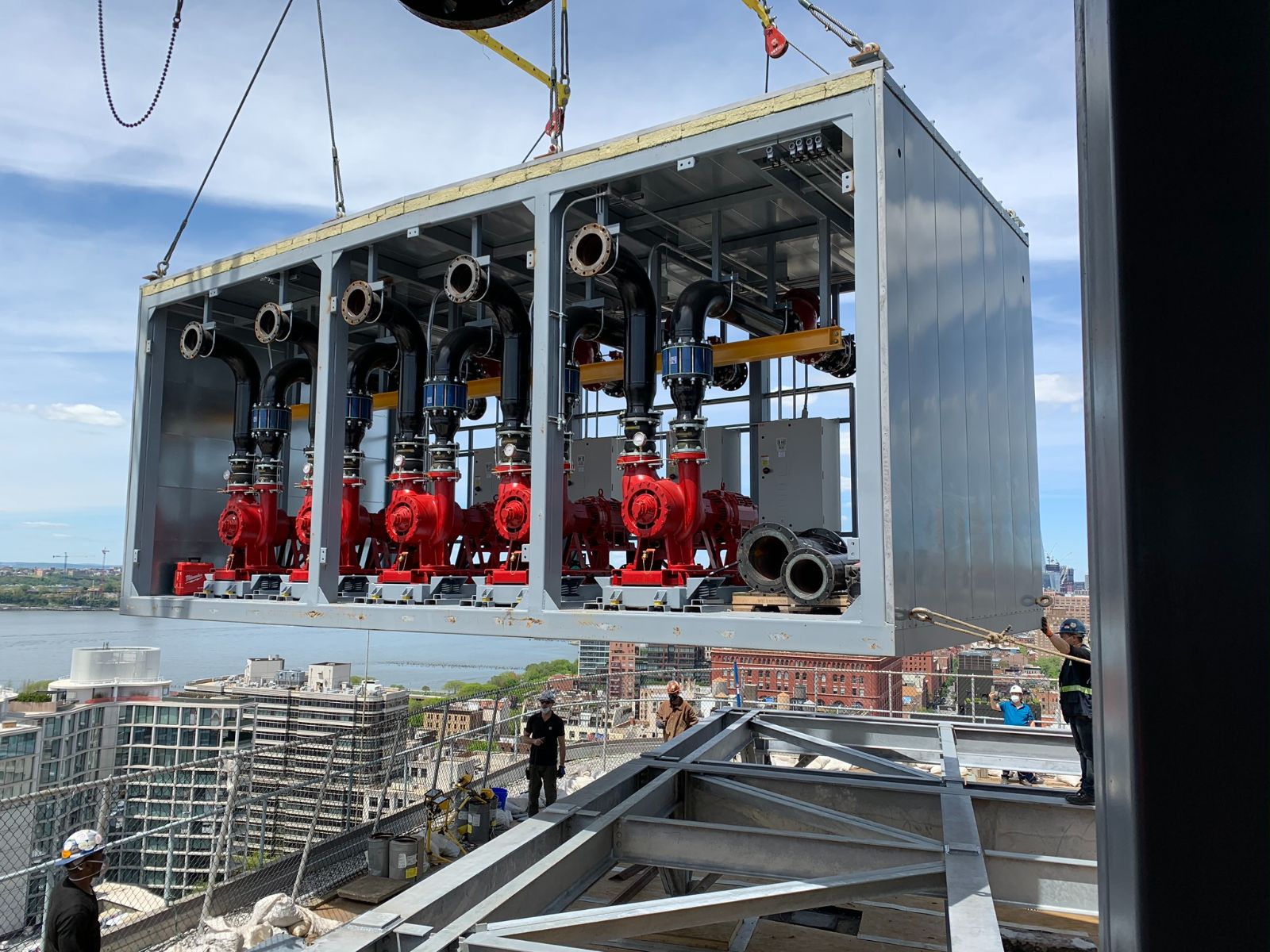
Healthcare construction increasingly relies on building facility components at offsite locations. Each unit is installed as a complete item, ready for use. Learn more.

The $499-billion federal legislation is full of carbon reduction, resiliency, and clean energy incentives. Learn more.

Temporary runways can resolve phasing challenges, minimize operational impacts. Learn more.

Single Point of Contact (SPoC) centers can lead to enhanced productivity and operational performance.

Maintenance costs and rail technology upgrades accelerate traditional rail signal replacements.
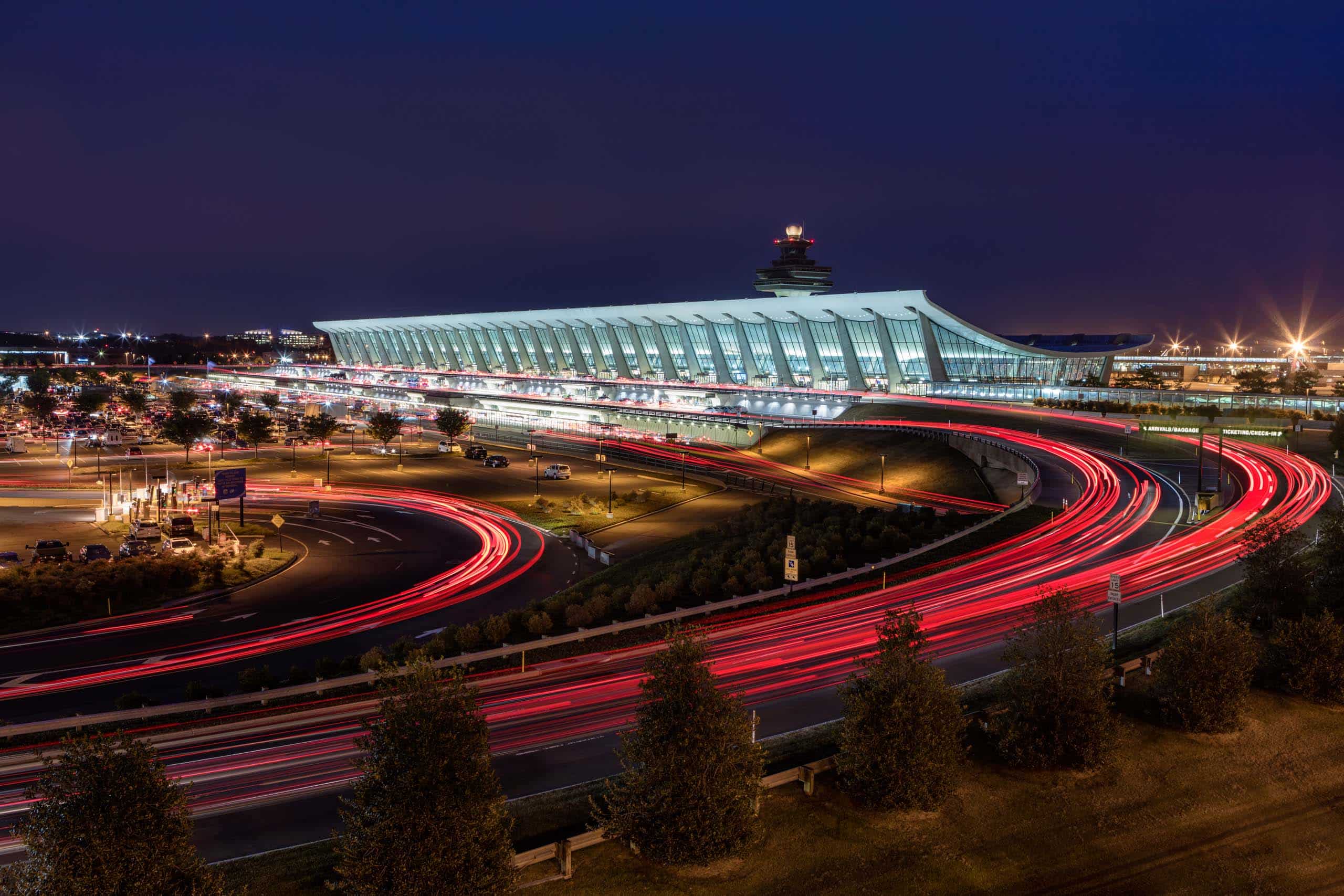
Burns Engineering’s Guide to Airport Electrification


Several states, counties and cities are moving beyond pledges and mandating action.

Air taxis may soon carry people and cargo across cities and between regions.
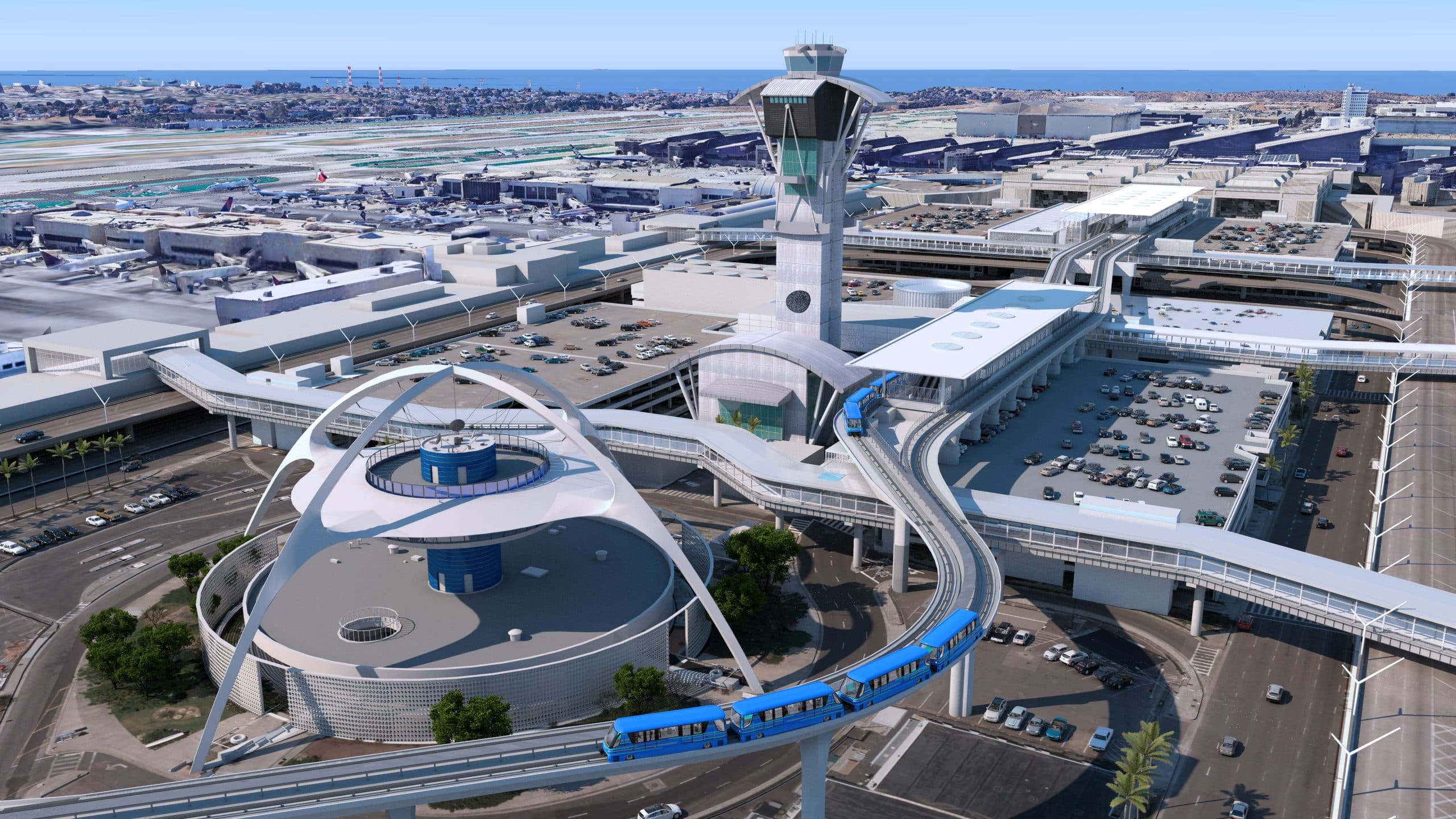
Creating safe, reliable people mover systems requires special focus on traction power resiliency.


CBTC systems can optimize run times and capacity, while maintaining or improving overall safety.
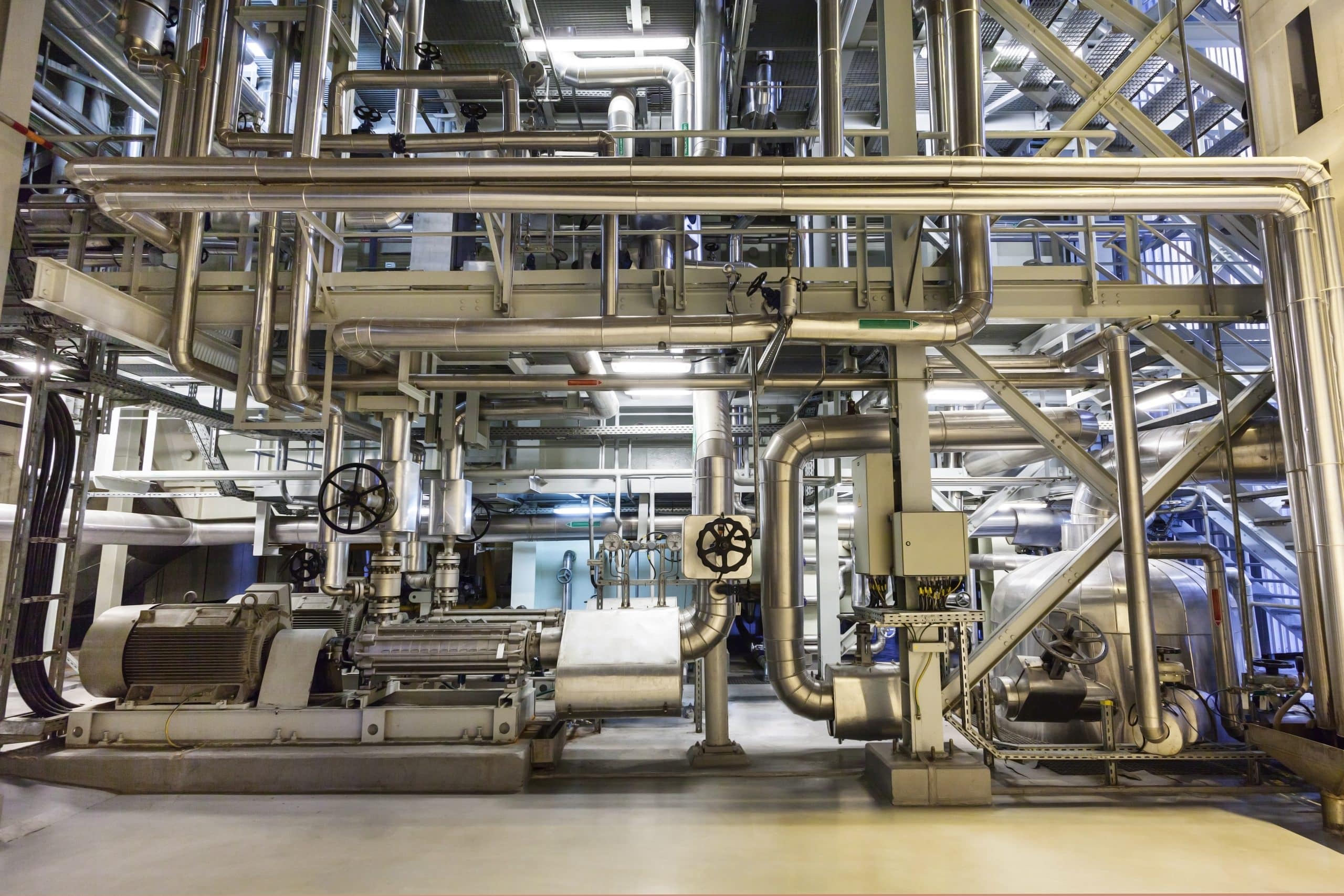
Advanced submeters measure specific energy trends, identify root causes of energy waste, direct energy-conservation strategies.

Energy and sustainability master plans prepare for electrification with new resiliency strategies.
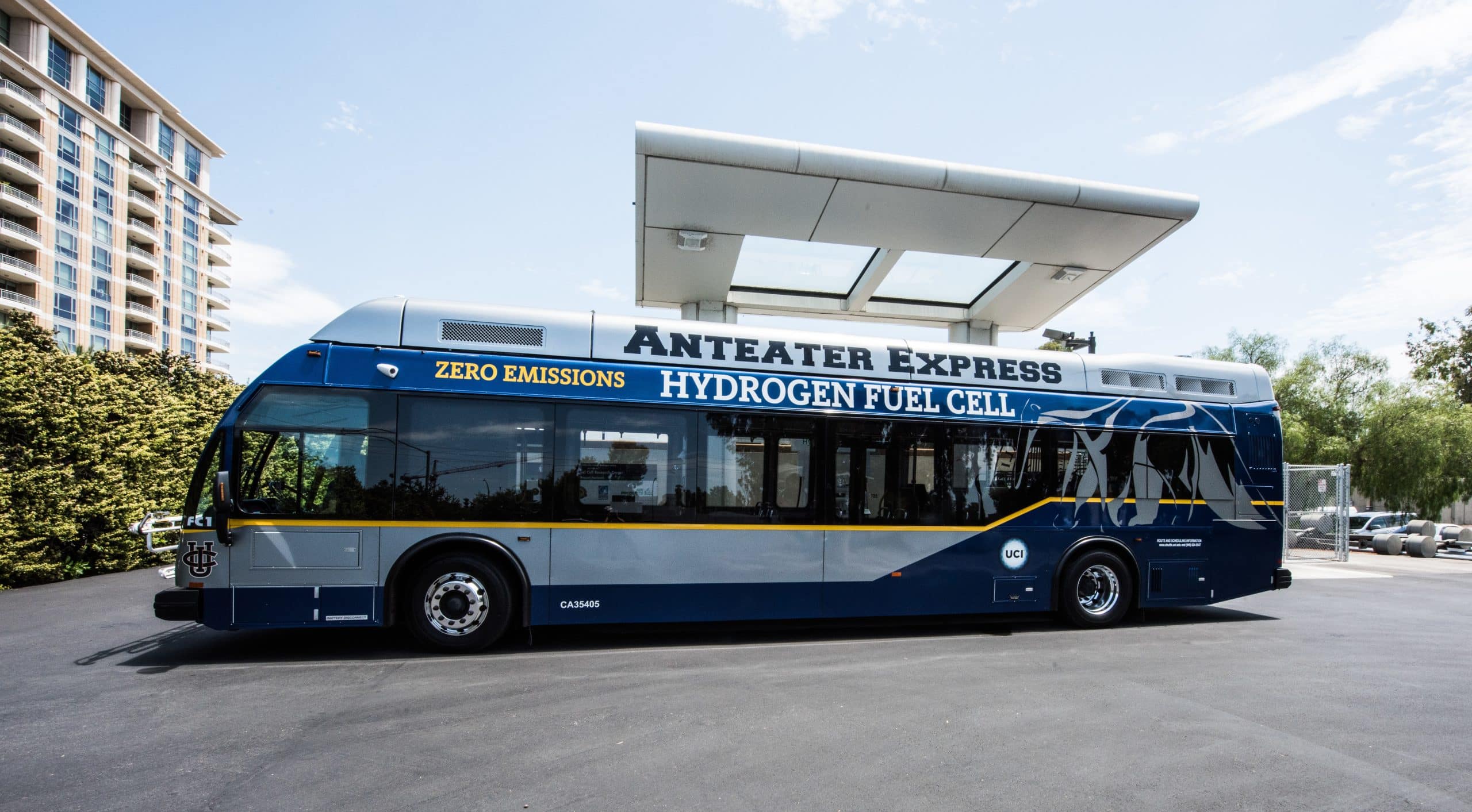
Declining capital and operating costs bring hydrogen fuel-cell electric vehicles into the mainstream.

Climate change may heighten the importance of lightning protection systems.

Fiber-optic broadband networks move indoors to support large campuses and major office complexes.
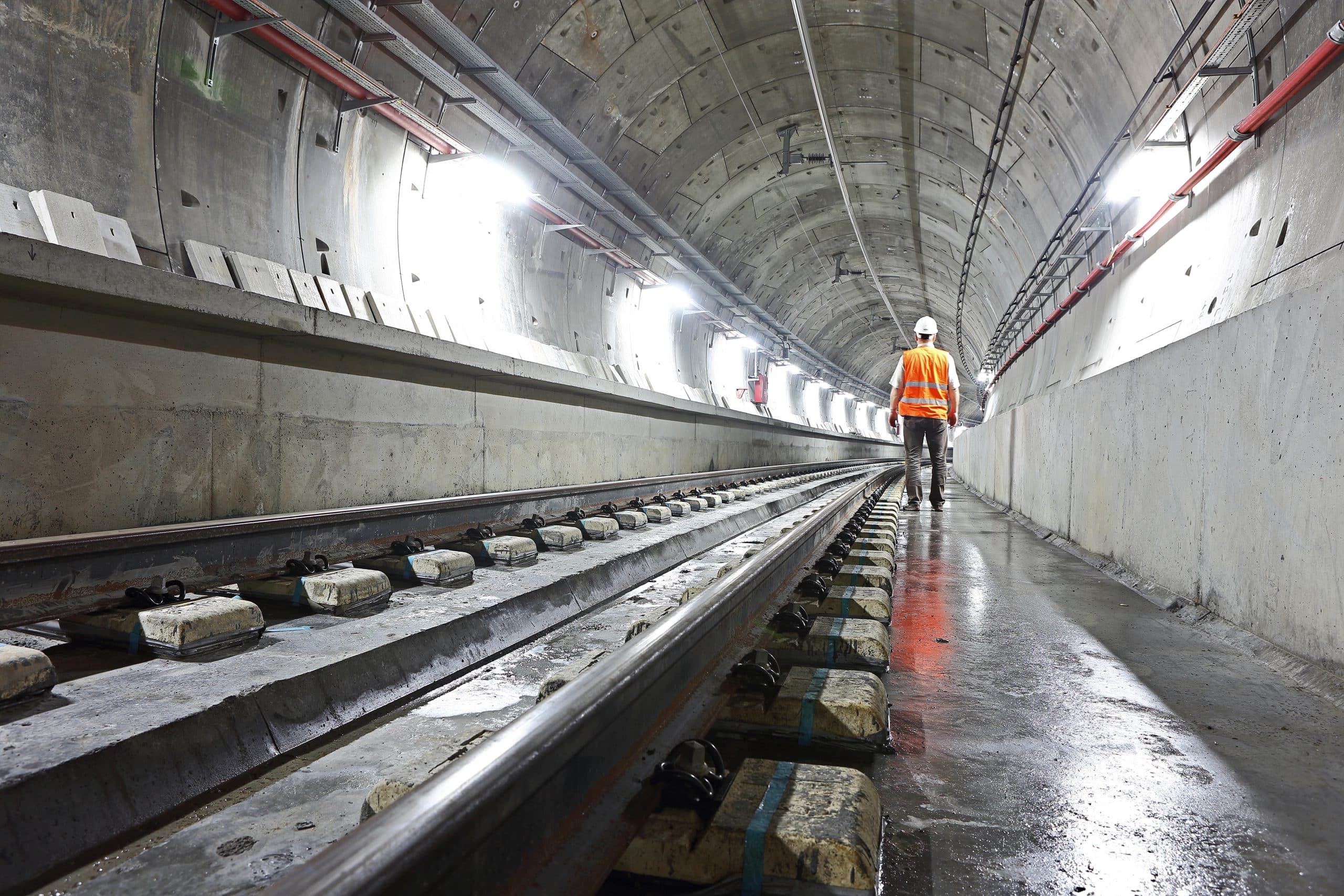
Water leaks are the primary cause of subway tunnel damage. Agencies can extend infrastructure lifespans with custom waterproofing programs.

Hospitals implementing beyond-code designs can prevent surgical site infections, improve patient care.

Rather than build new capacity without the intelligence — and plan to add the “brains” later — airport visionaries are recognizing the benefit of terminal
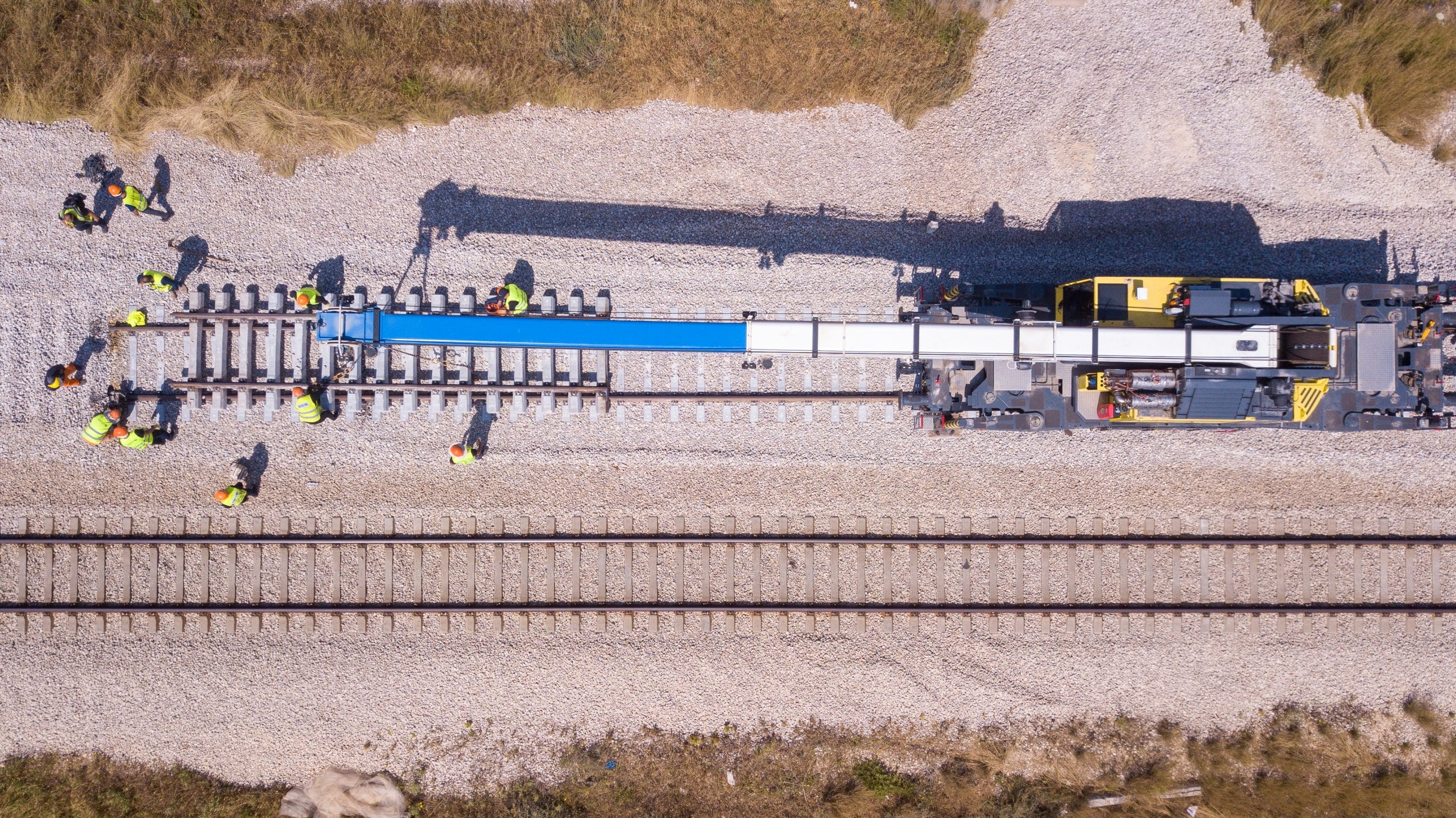
Seeing the Big Picture Large-scale capital projects come with inherent uncertainties — from underground utility conflicts to land acquisition disputes

Equipped with interactive audiovisual technologies, airport authorities find new approaches to passenger satisfaction.

Master Systems Integrators (MSIs) offer a more efficient, future-proofed approach to integrating information technology and operational technology applications.

Transitioning away from fossil fuels, higher-education institutions must overcome financial, technical and operational hurdles to achieve carbon neutrality.

Airports are going electric. U.S. airports and airlines are embracing all-electric alternatives to power shuttle buses, parked aircraft, service vehicles and much more.

Private 5G offers users fast, highly secure, extensive-coverage cellular networks.
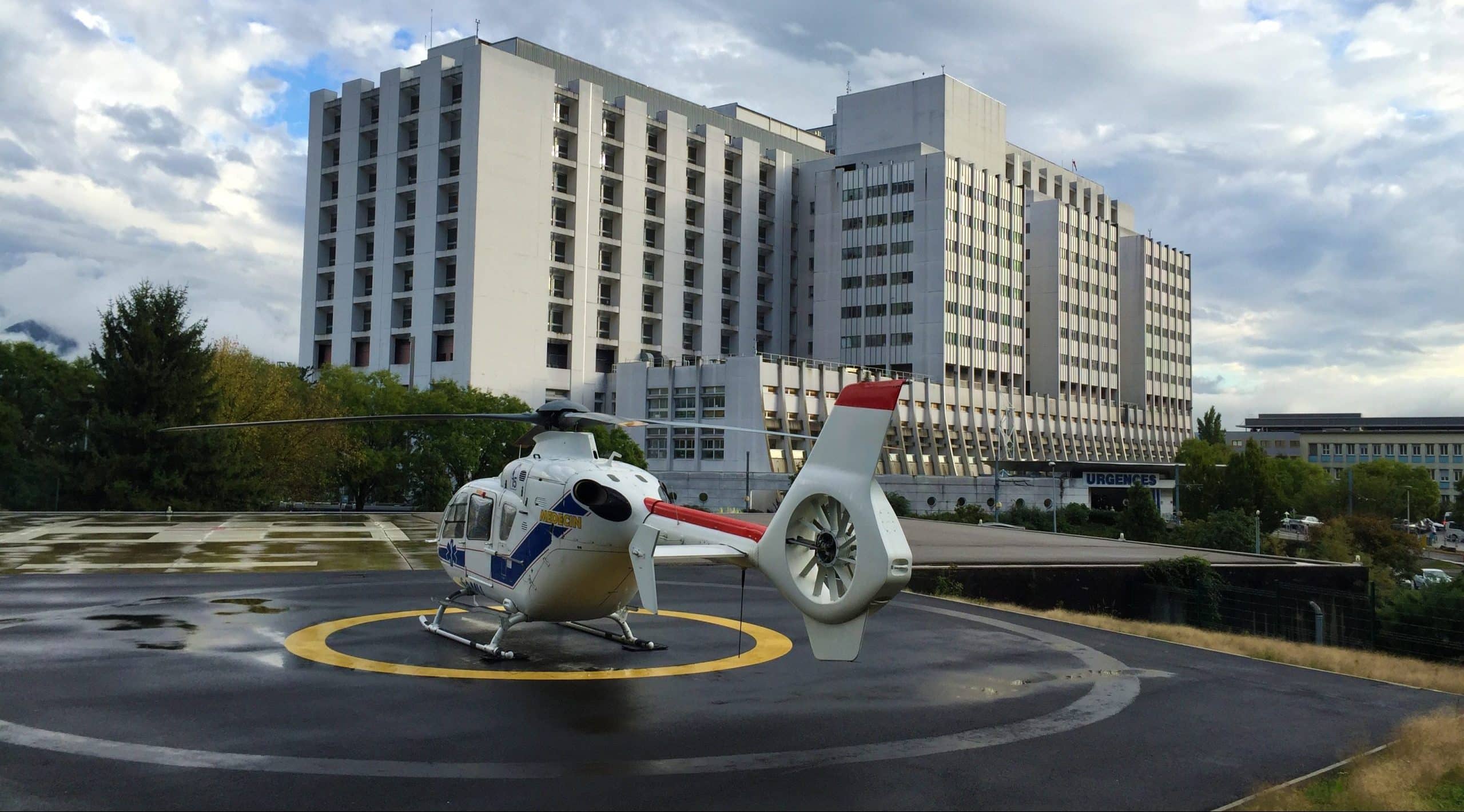
Growing hospital reliance on air medical transportation underscores importance of helipad facility maintenance.

Charging as a service is speeding up the transition to electric vehicles.

Hospitals are preparing for extreme weather by exceeding minimum emergency power requirements. Here are the benefits of advanced backup power systems.

Utility companies once viewed microgrids as a threat to their profitability. Now those views are changing.
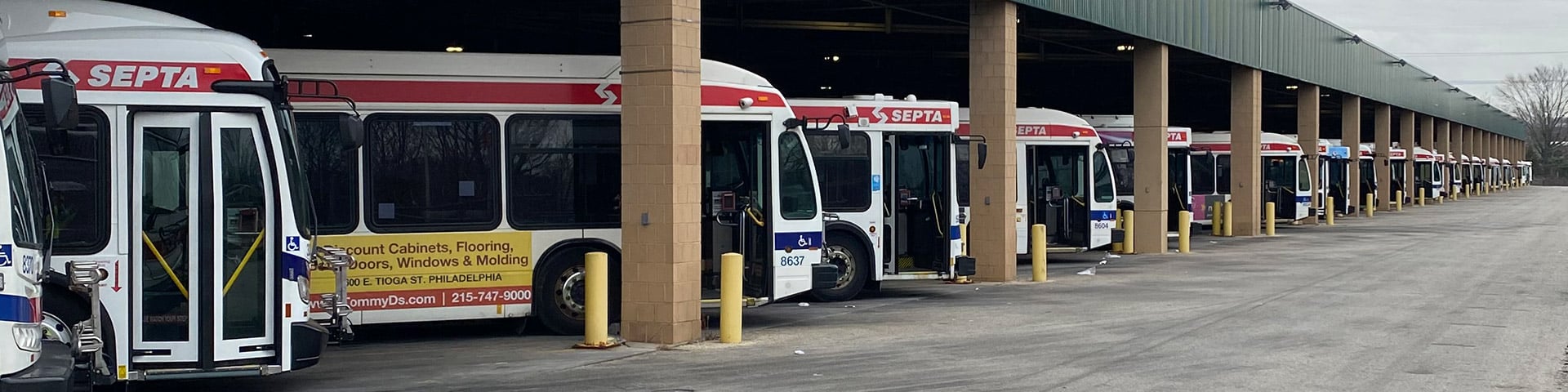
Successful fleet electrification requires greater appreciation for bus maintenance depots, infrastructure and operations.
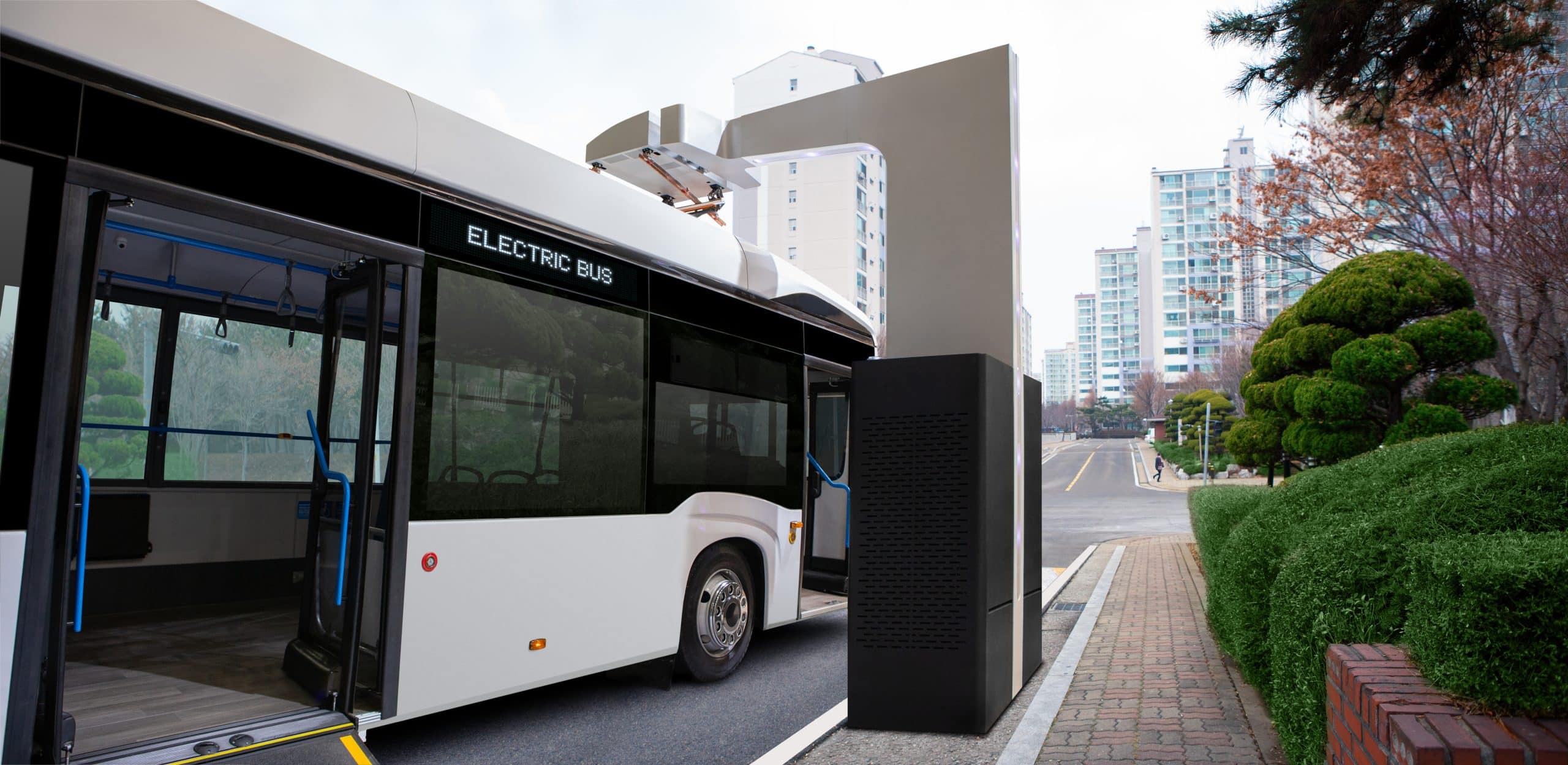
Examining environmental and operating benefits, infrastructure and upfront costs of electric buses.
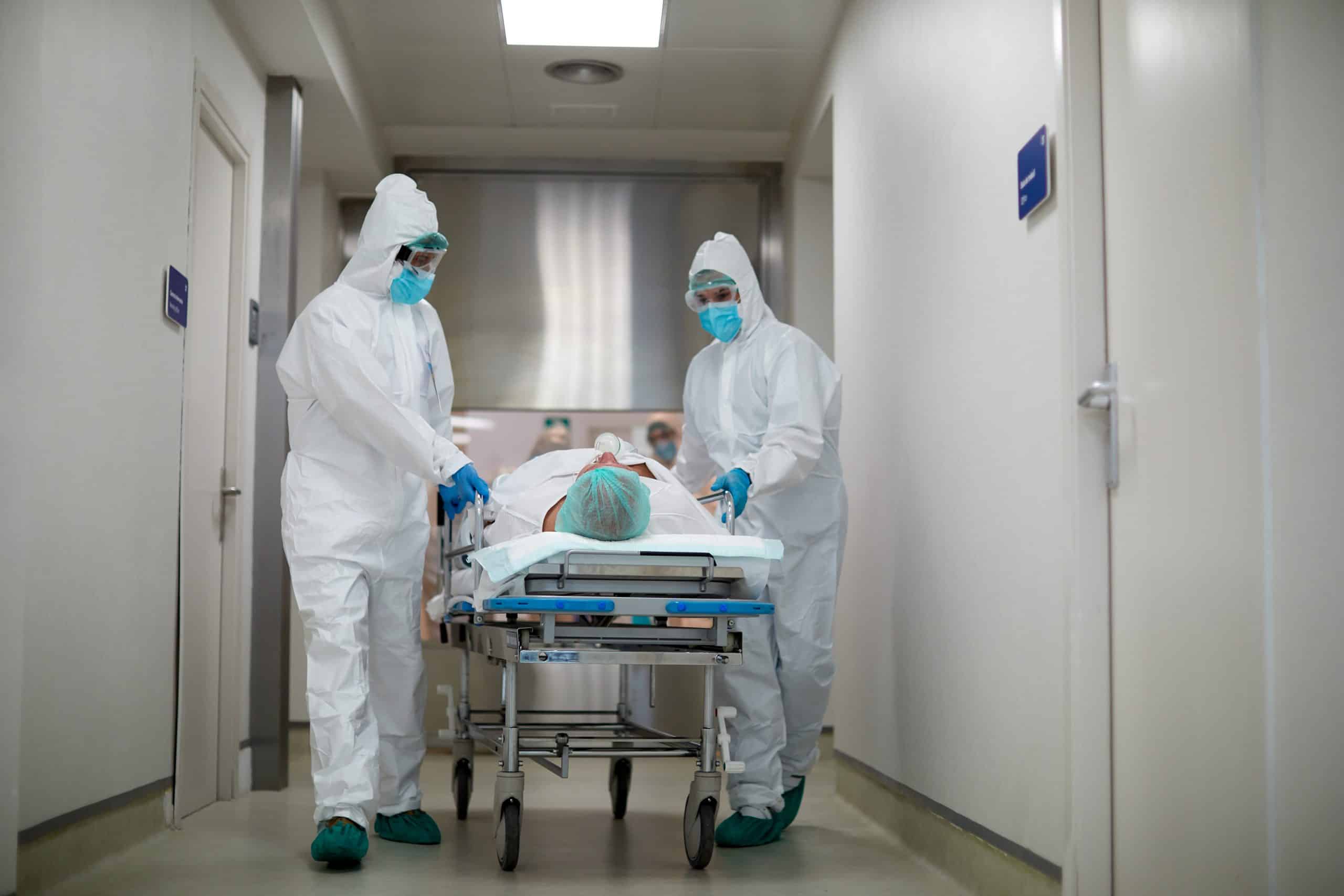
The Swing Suite: Hospitals are repurposing existing and new spaces to accommodate surges in patient population.
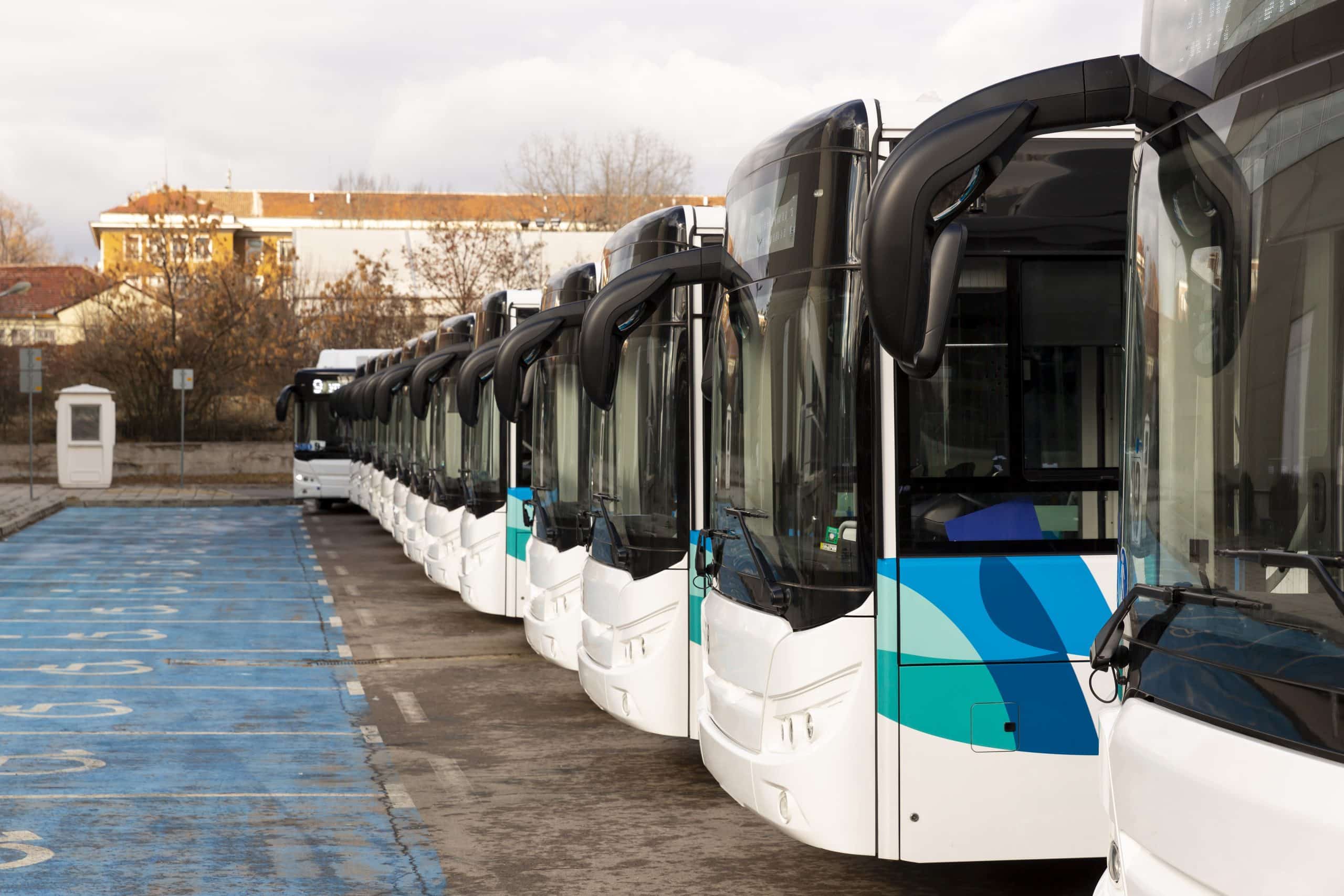
Learn how bus transit agencies transitioning to fleet electrification would be well-served by adopting a holistic power-supply approach.

5G is coming. The mobile industry promises “5G” will revolutionize connectivity, offering network speeds 100 times faster than now.
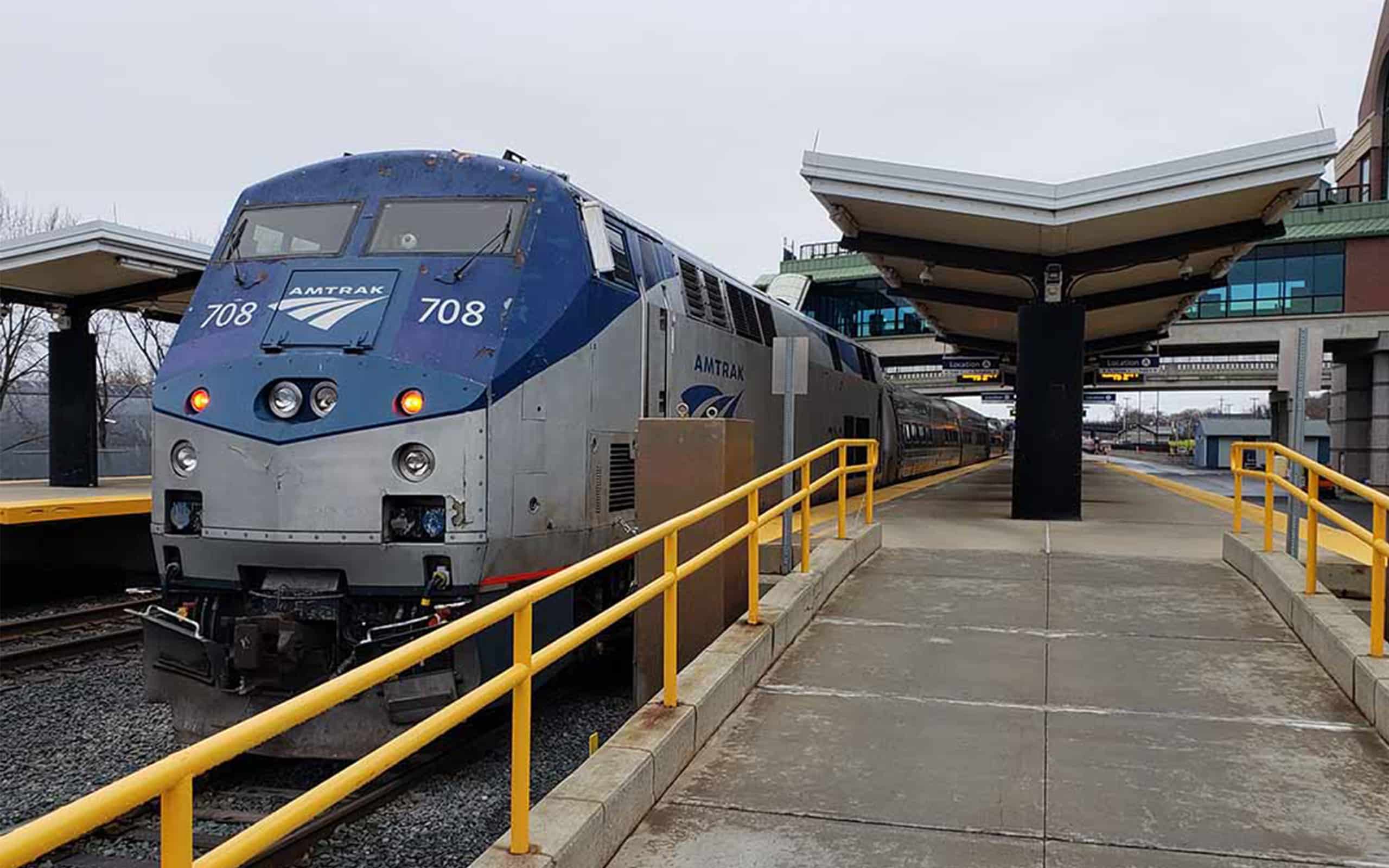
Over the past two decades, positive train control (PTC) technology has evolved from one of the National Transportation Safety Board’s “most-wanted” safety initiatives to standardized operating procedure along the busiest train routes in the country.

When upgrading fire protection systems, hospitals face complexities unique to healthcare.

Today, various applications capture and use distinctive human characteristics to authenticate identity.

Cybersecurity is growing in awareness and there’s more to it than just protection from computer hackers alone.

Learn how transit agencies have set out to implement rail and bus station enhancements that make passengers’ commutes safer and easier.

Learn how a “Master Builder” approach can fast-track design and construction for critical infrastructure projects, helping agencies save both time and money.

Technology is allowing airports to improve the flow of aircraft before and after take-off and landing—whether the planes are in sight or not.

Growing numbers of cities and states across the U.S. are setting aggressive standards to reduce carbon dioxide emissions to address the mounting threat of climate change.

Airports are recognizing that their cultures play a large role in keeping travelers, staff and facilities safe. Explore more on collaboration and Security Management Systems (SeMS).
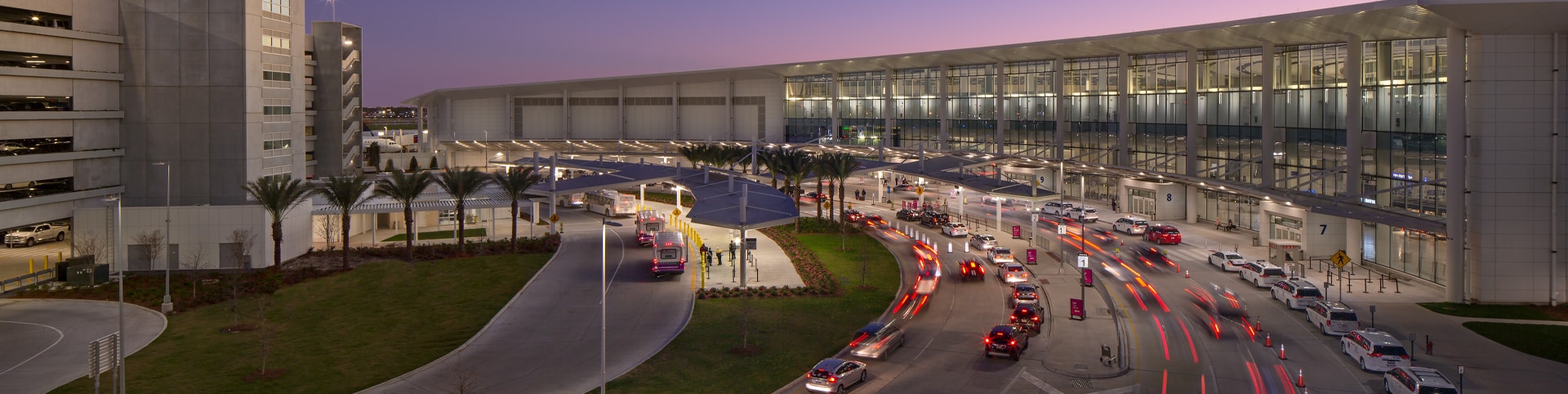
Technology is playing an increasingly central role in airports’ daily operations, customer service and plans for the future.




